The shell closed in, and the last clear view of what plaster will hide.
One of our inspectors will call you back. If it is urgent, call 1300 471 805.
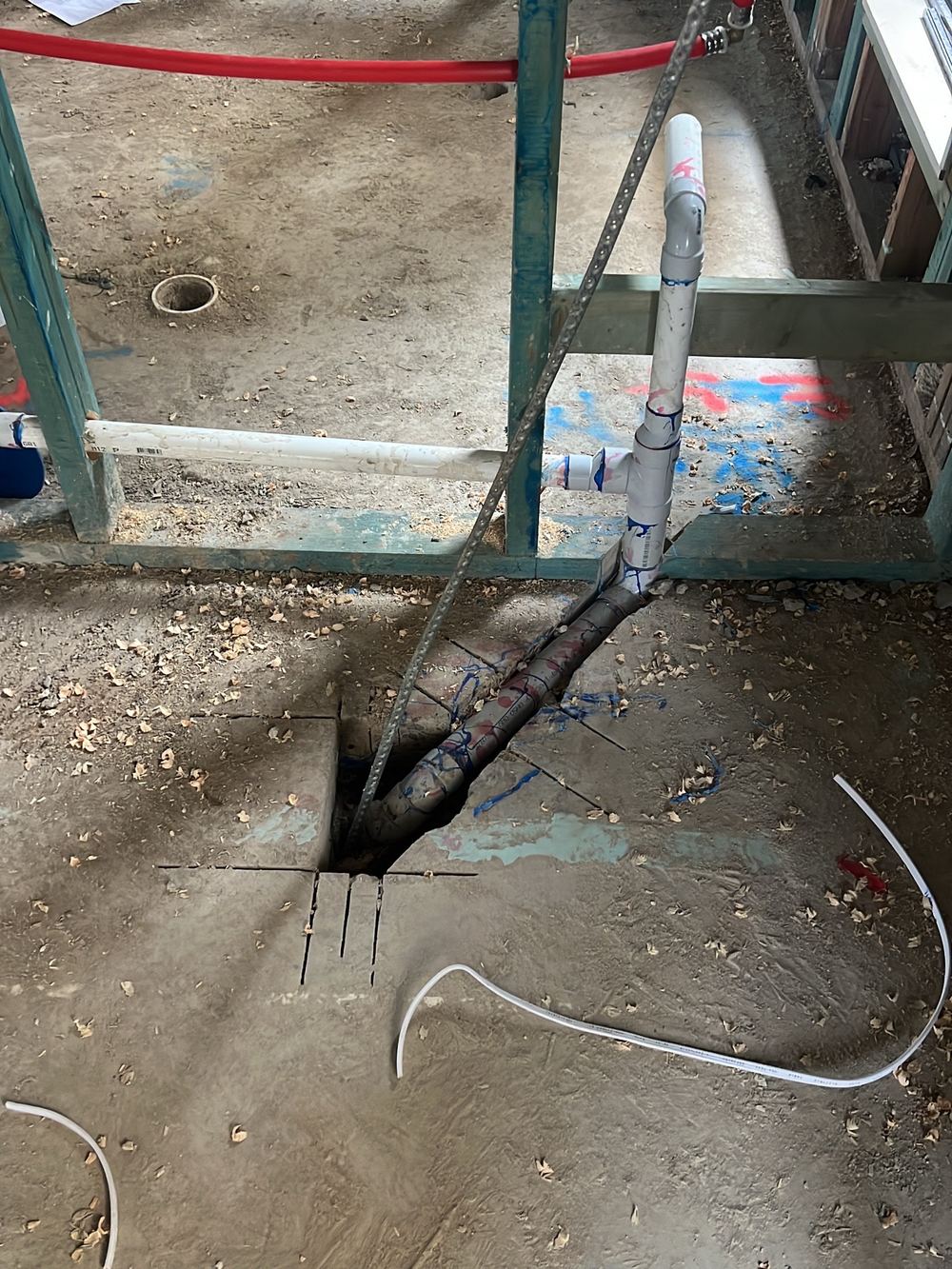
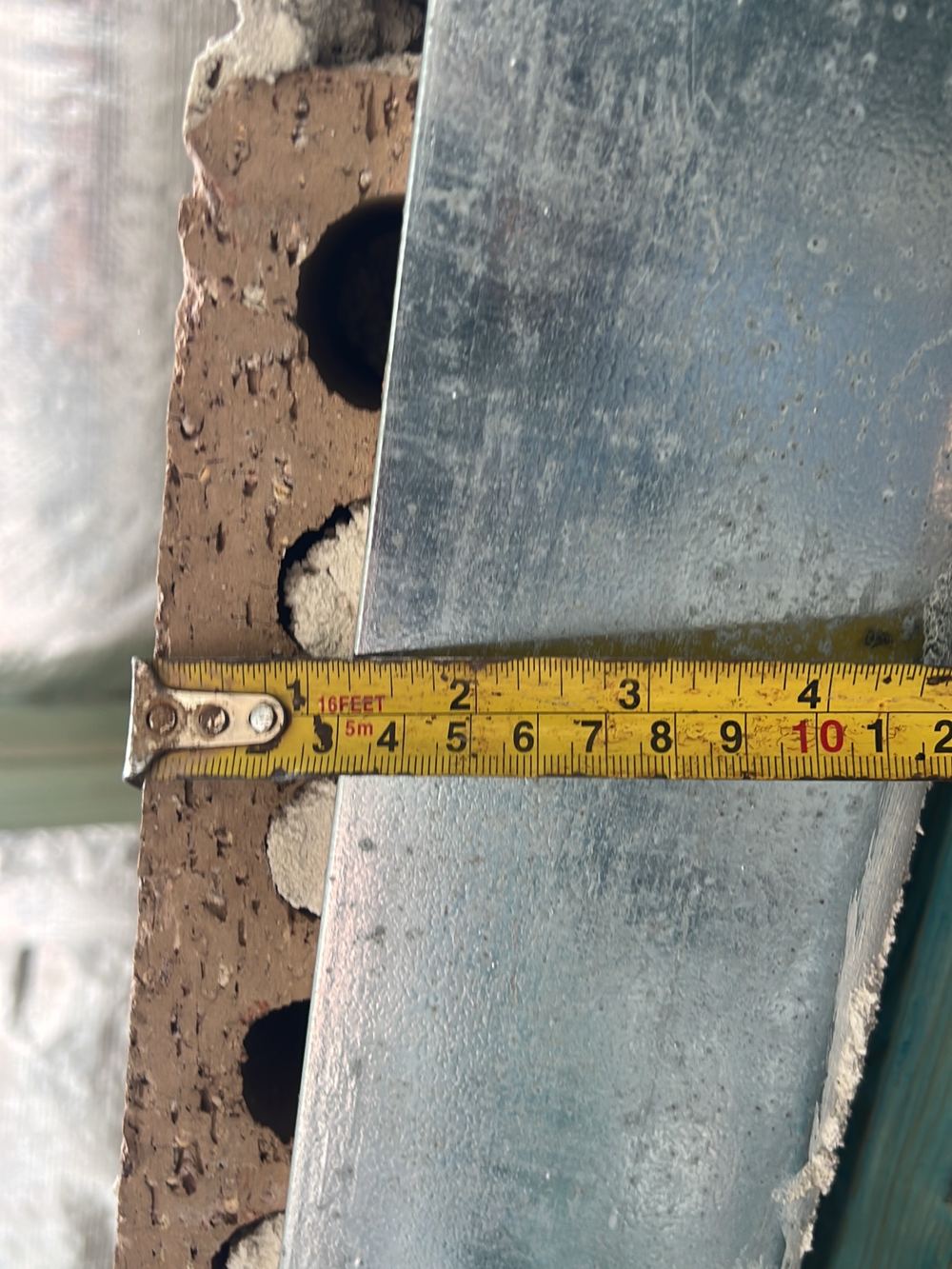
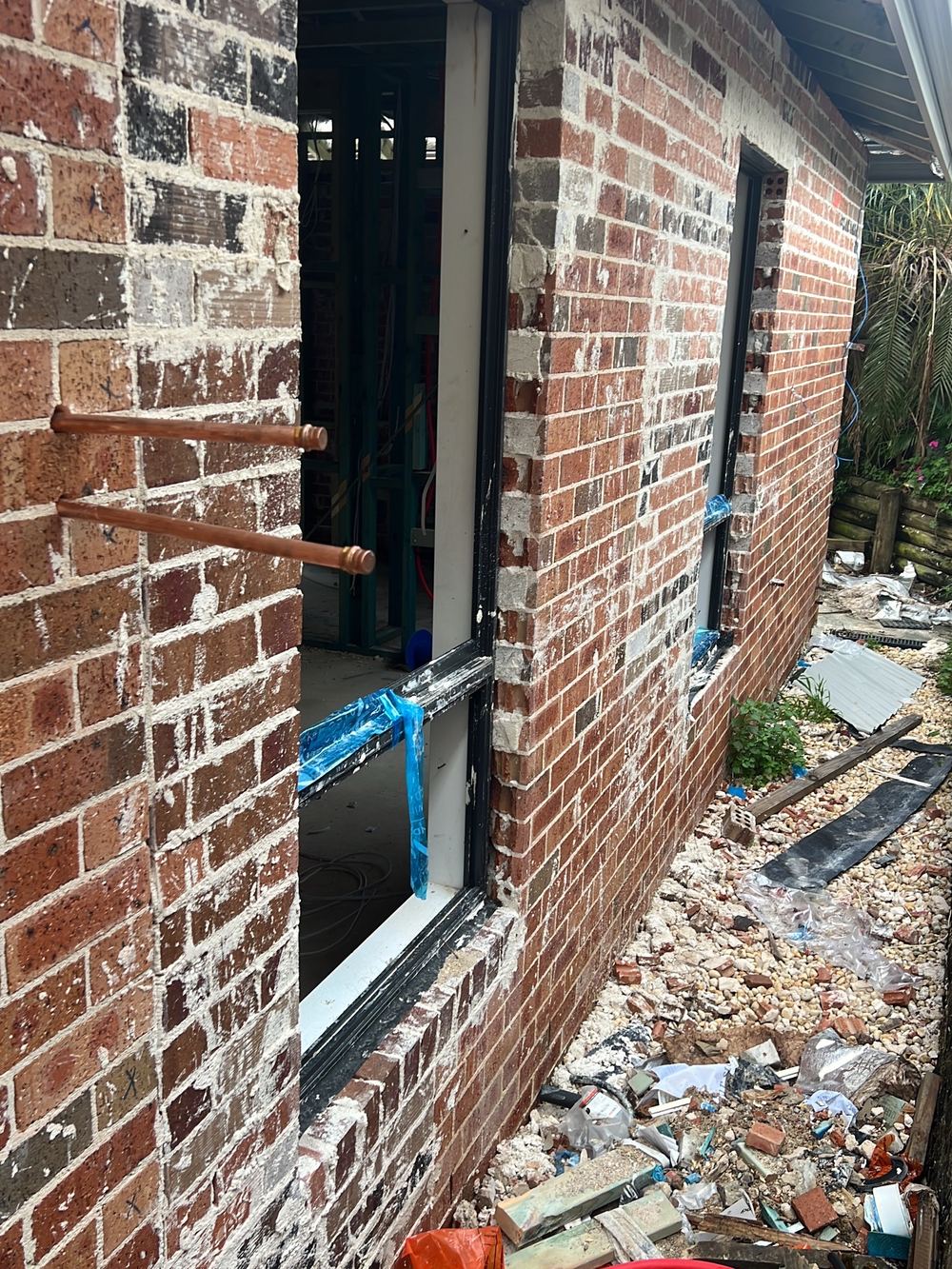
At lock-up the bricklayer, roofer, plumber and air conditioning installer have all been through, and each can undo the work of the trade before. Bracing gets cut after the frame has passed, slabs get cut for plumbing, brick ties miss the studs and lintels end up short of bearing. Brick and render facades of the kind going up across Tallawong also need their articulation joints in now, not later.
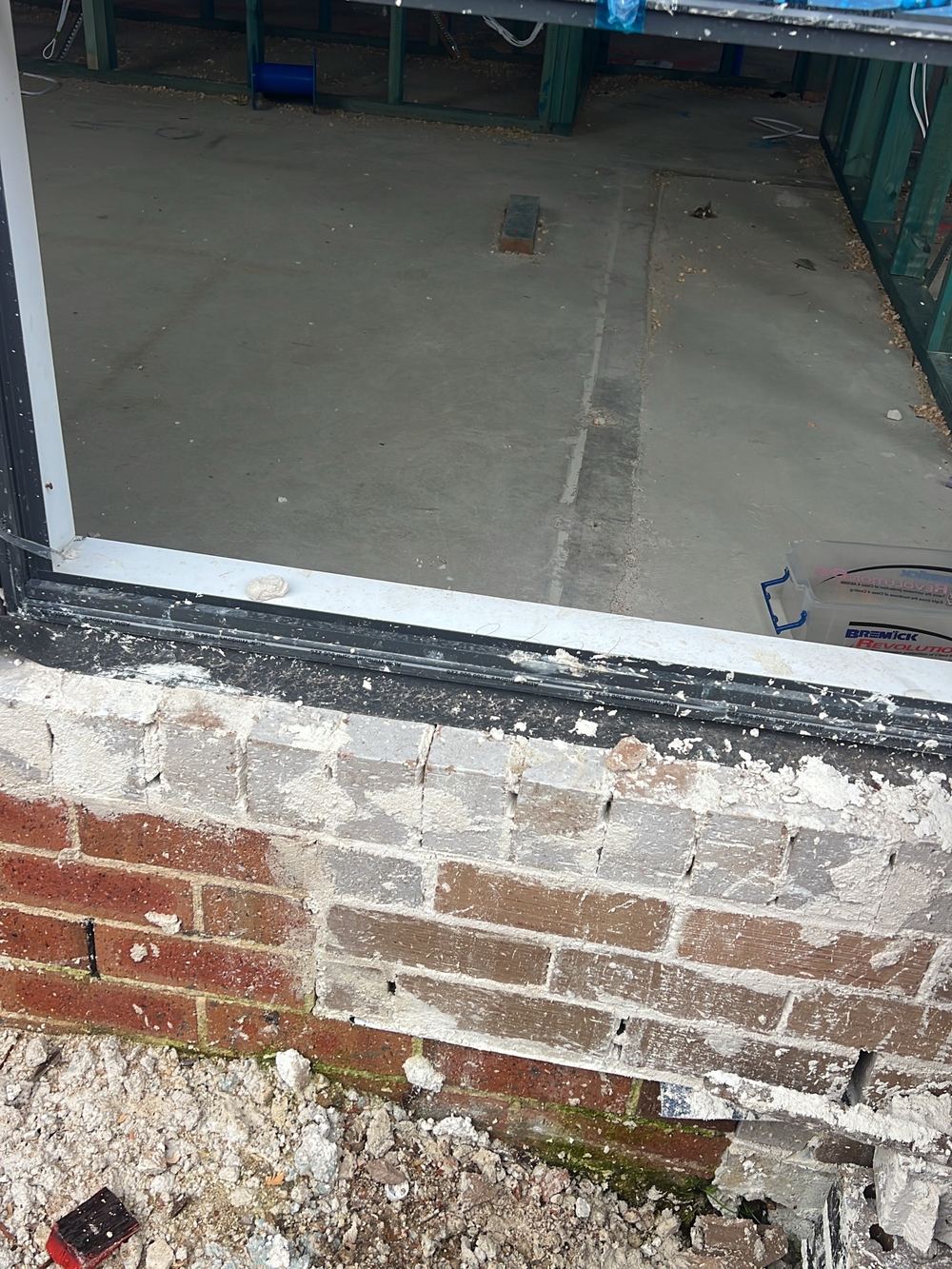
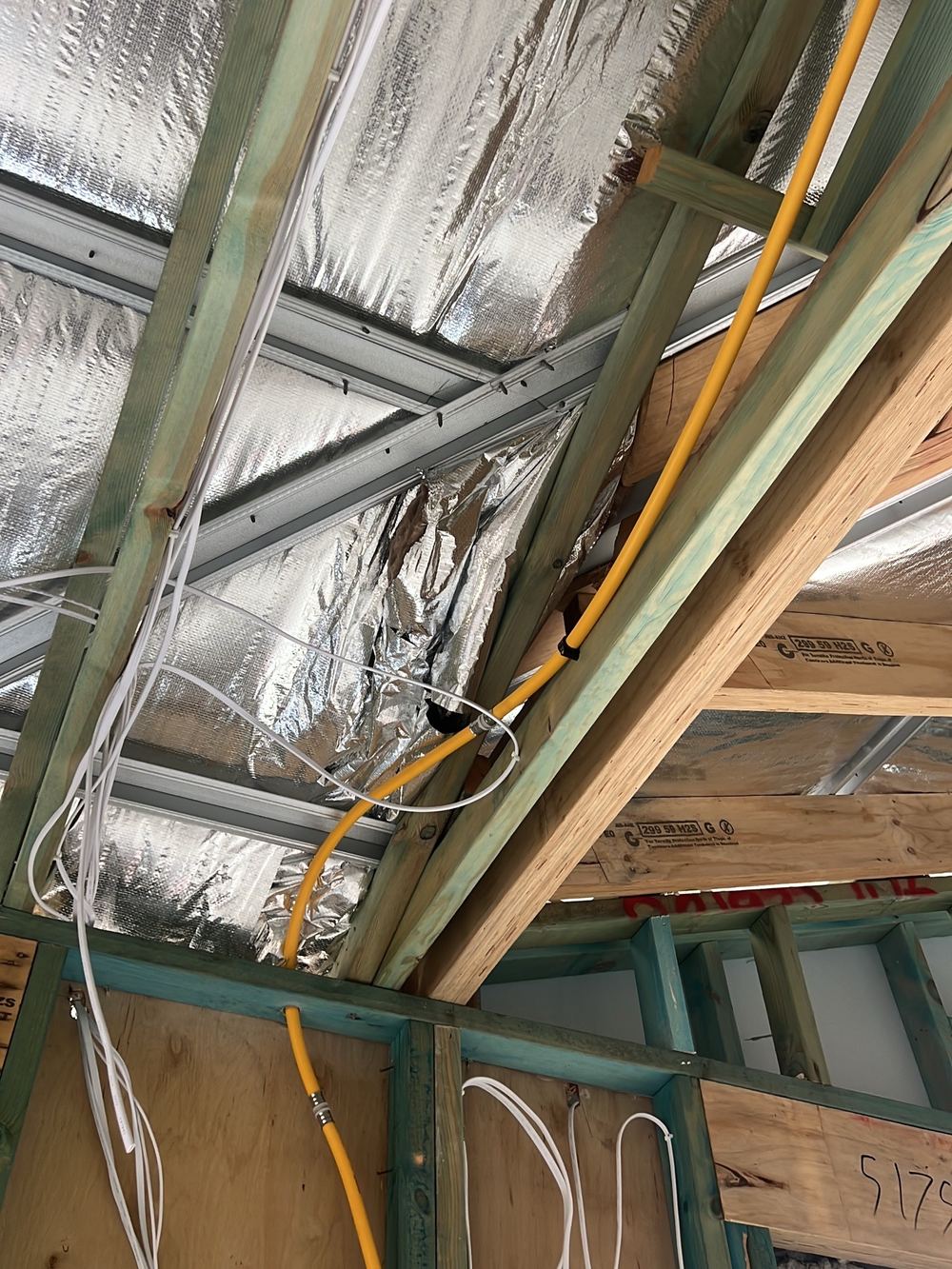
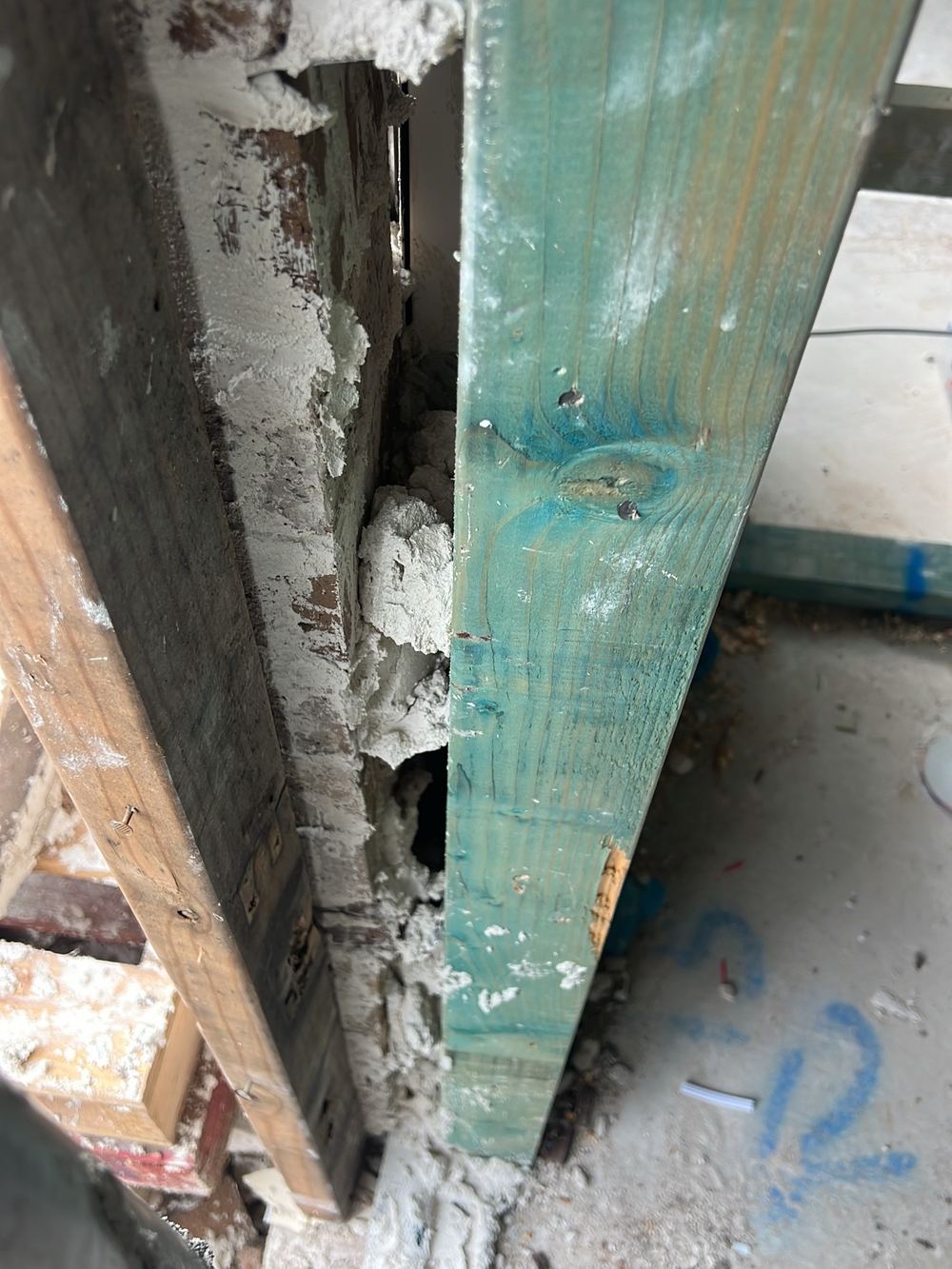
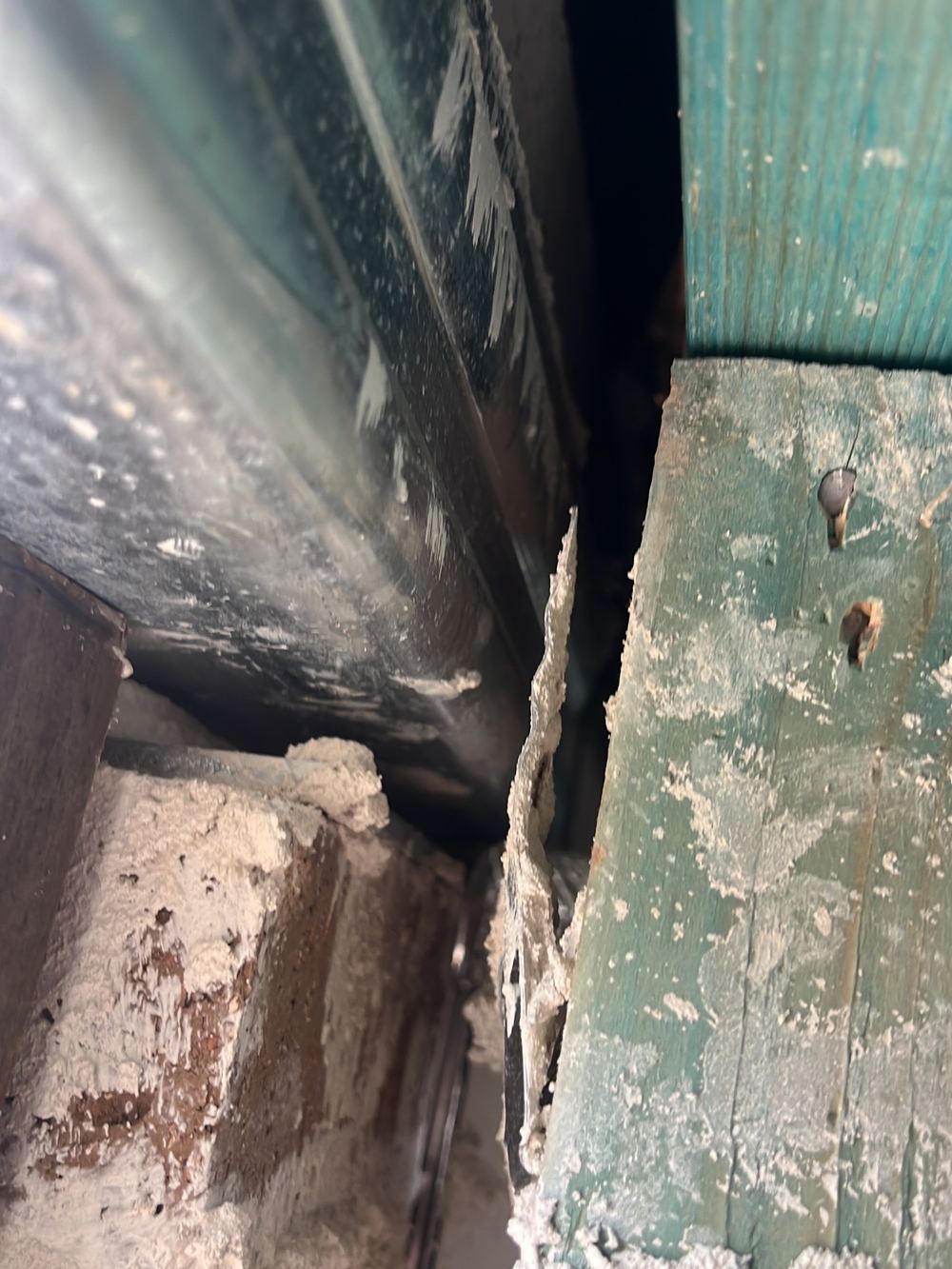
Annotated findings from Lock-up (pre-plaster) inspections.
 1Bored piersPiers drilled and cages in, concrete not yet ordered
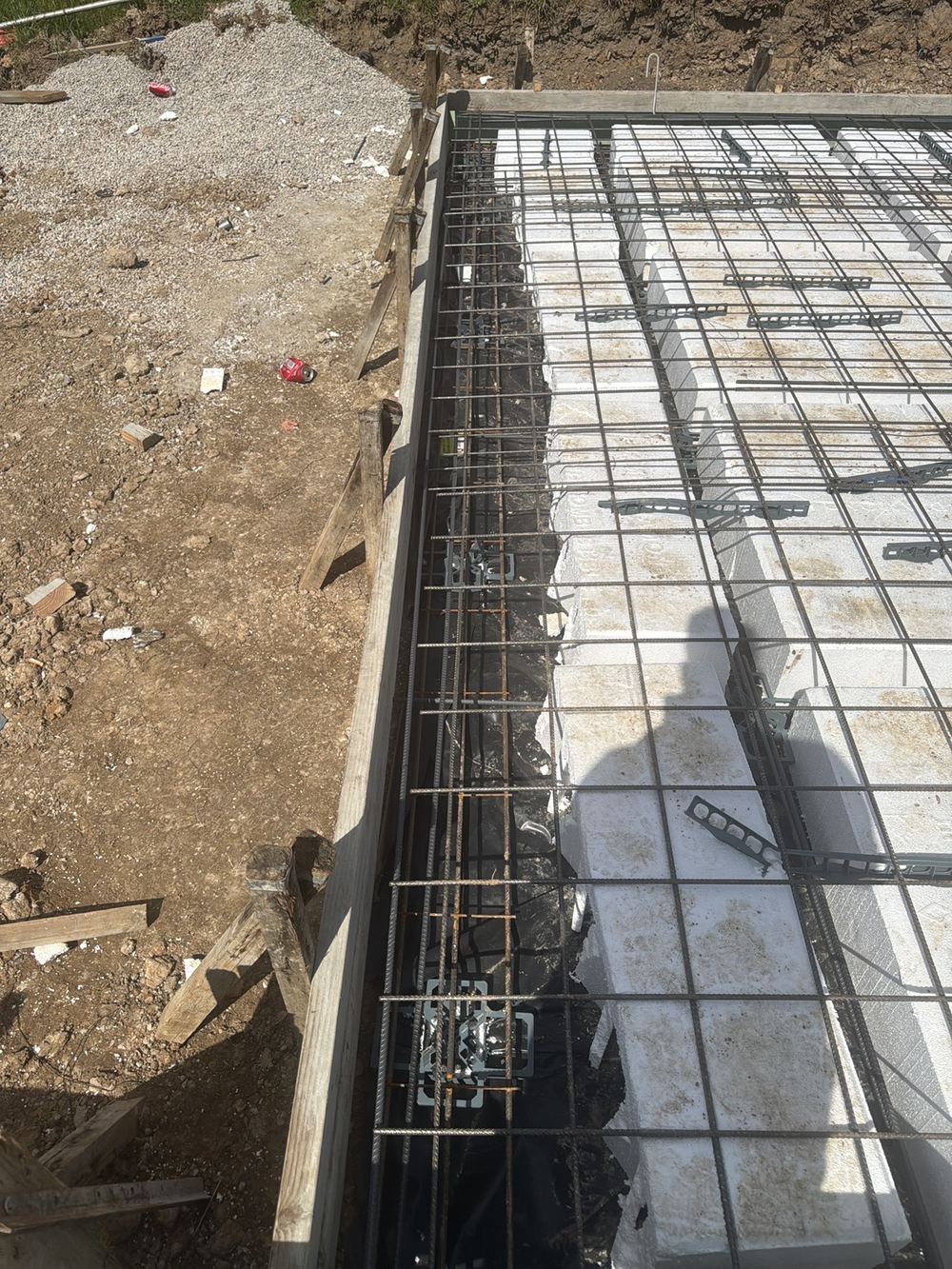
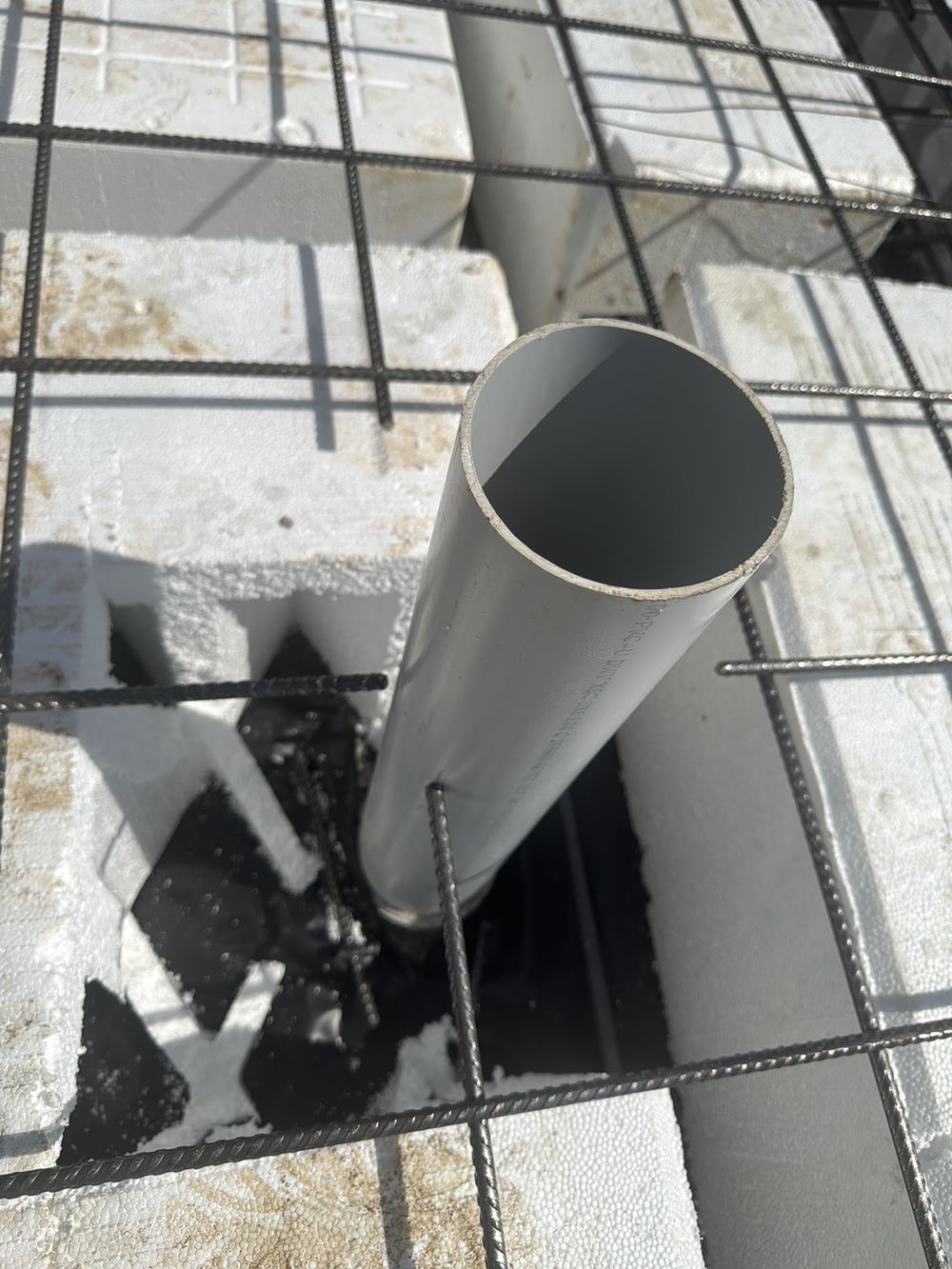 2Slab pre-pourSteel, pods and membrane in place, the day before concrete
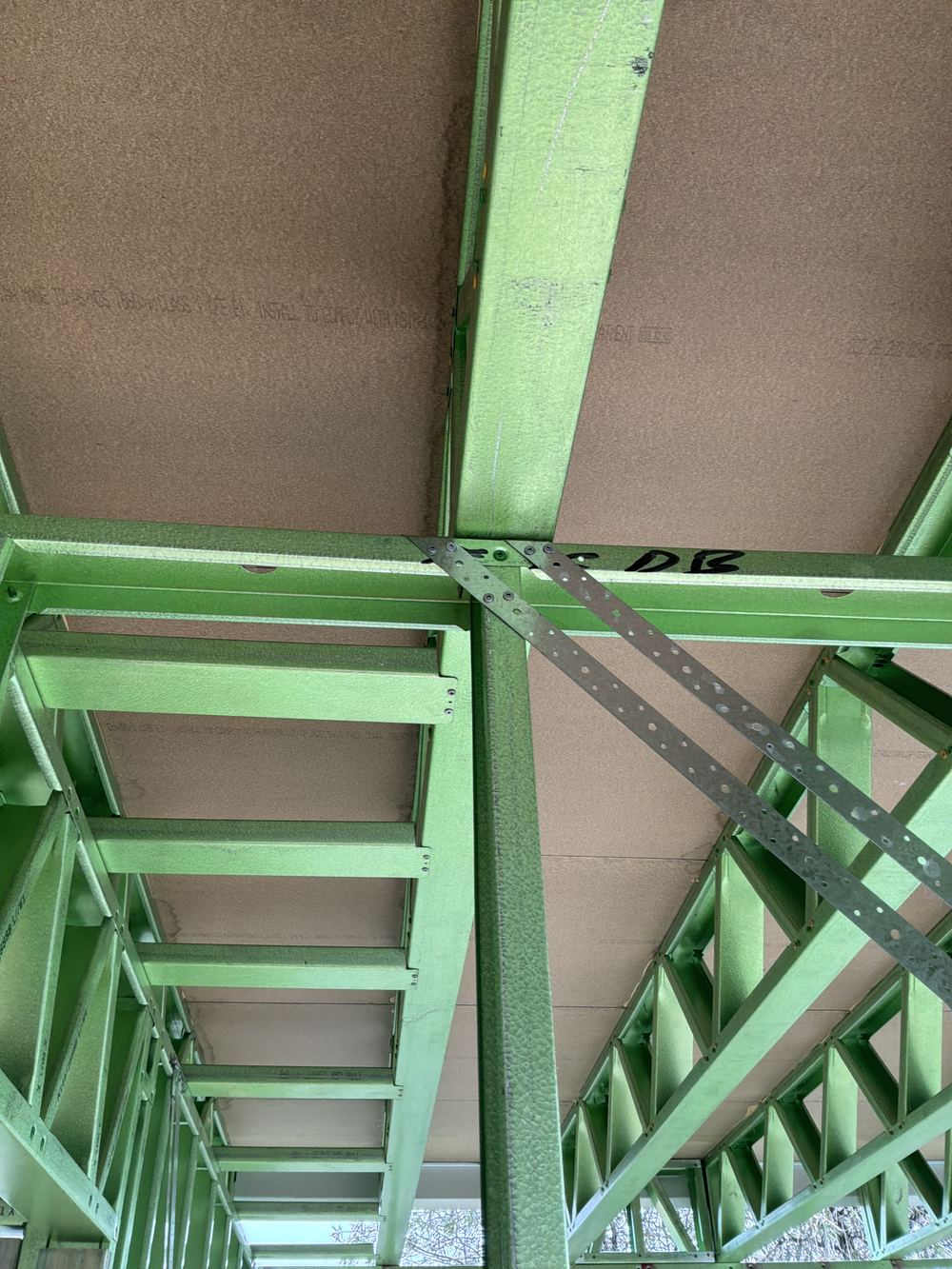 3FrameFrame standing and roof on, before any wrap or lining
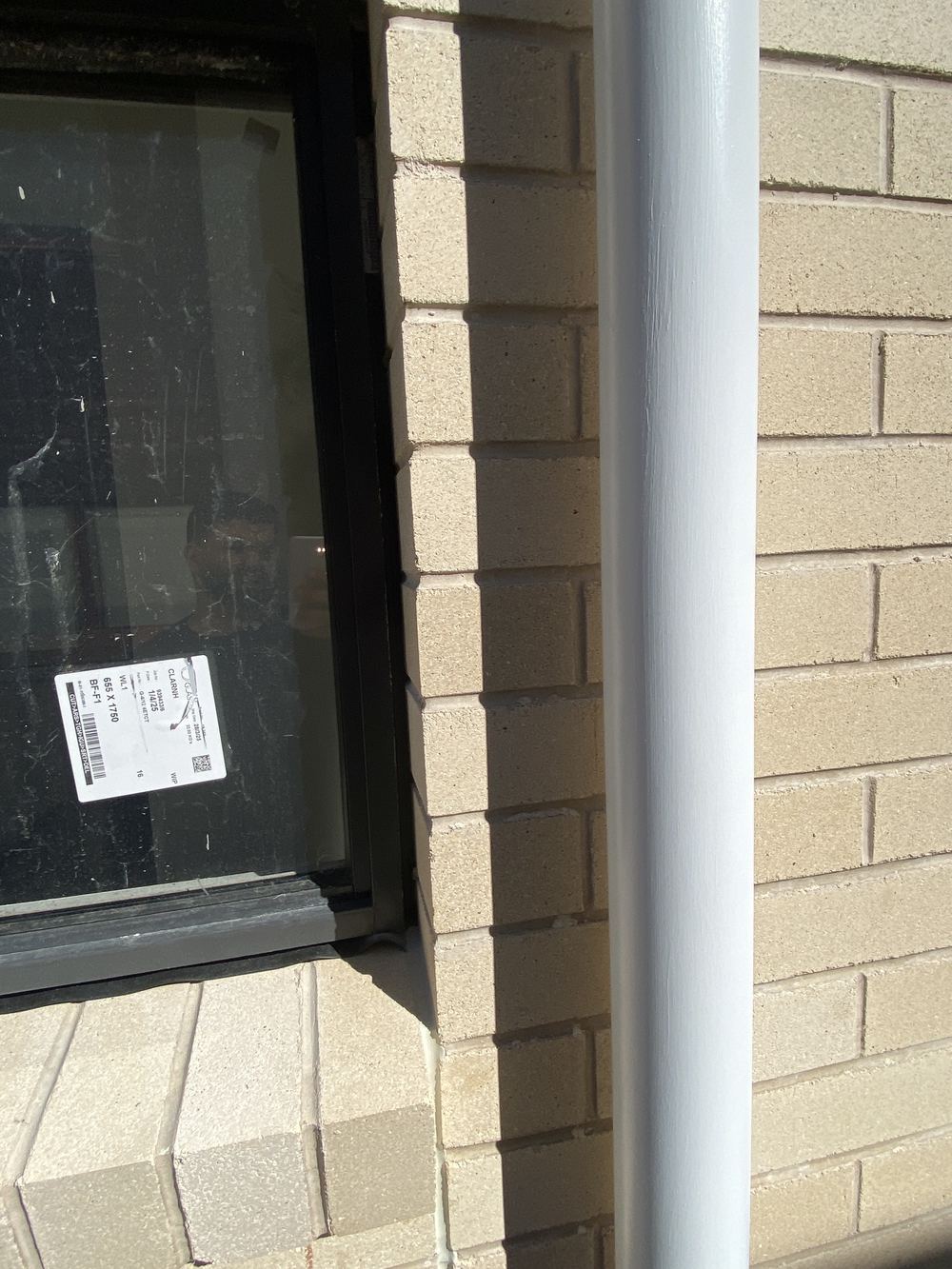 5FixingDoors, stairs and joinery fitted, painter booked next
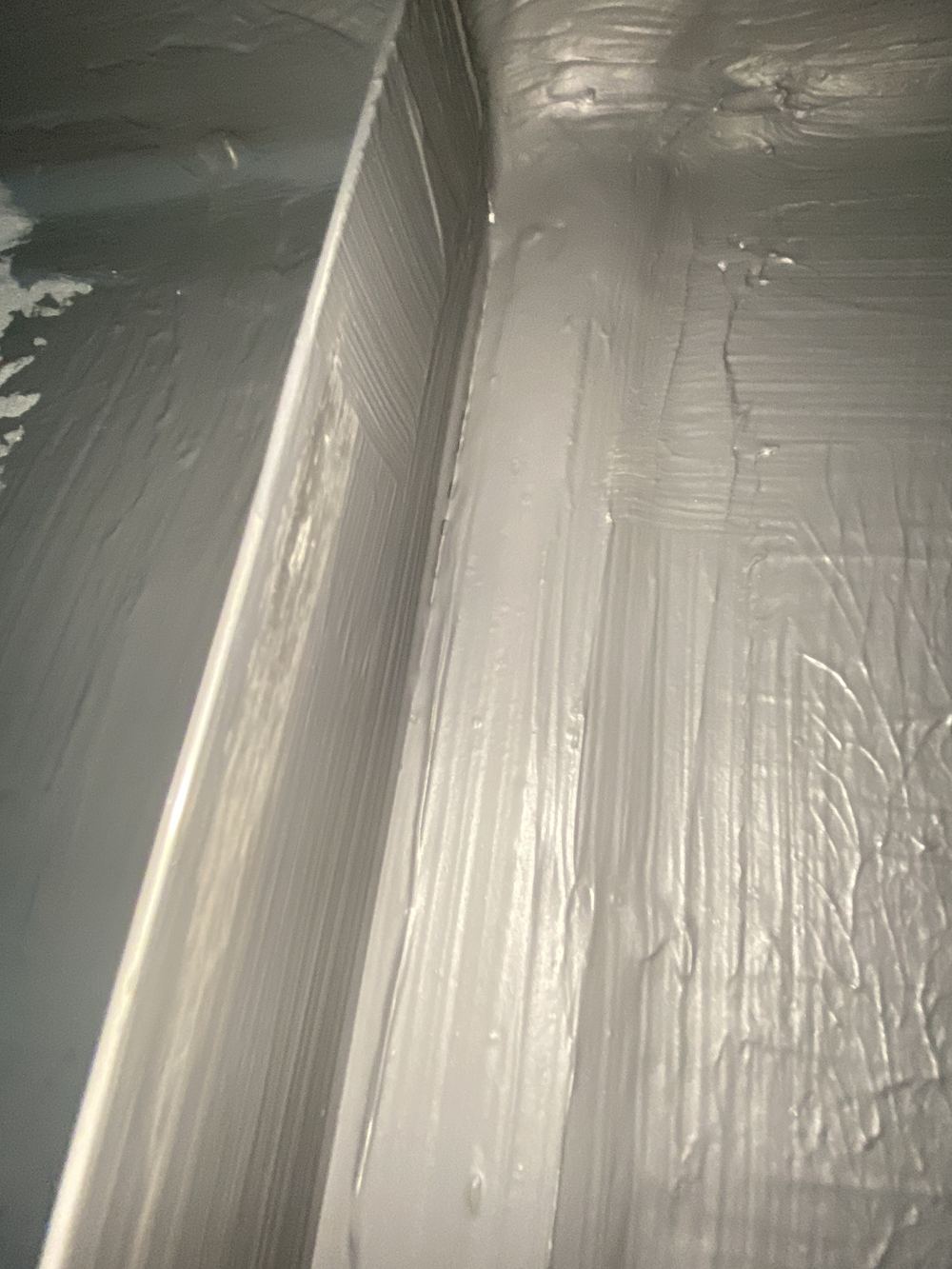 6WaterproofingMembrane cured, tiler not yet started
 7Pre-handover (PCI)About two weeks ahead of the handover date
Instant online pricing, or talk to the booking team on 1300 471 805.
Because other trades work on it after the frame inspection. Cut bracing and notched studs are common, and this is the last chance to see them.
The length of a steel lintel resting on brickwork at each end. Short bearing concentrates load on a few bricks and can crack them.
They let long walls move with the clay beneath without cracking. If one is missing or bridged, the wall cracks where it wants to instead.
Mortar dropped behind the veneer can bridge the cavity and carry moisture to the frame. The cavity should be clear to the weep holes.
Yes, where it can be seen from inside. Tears let water and dust through and should be taped before lining.
Two to three hours on a double storey.